
Blog
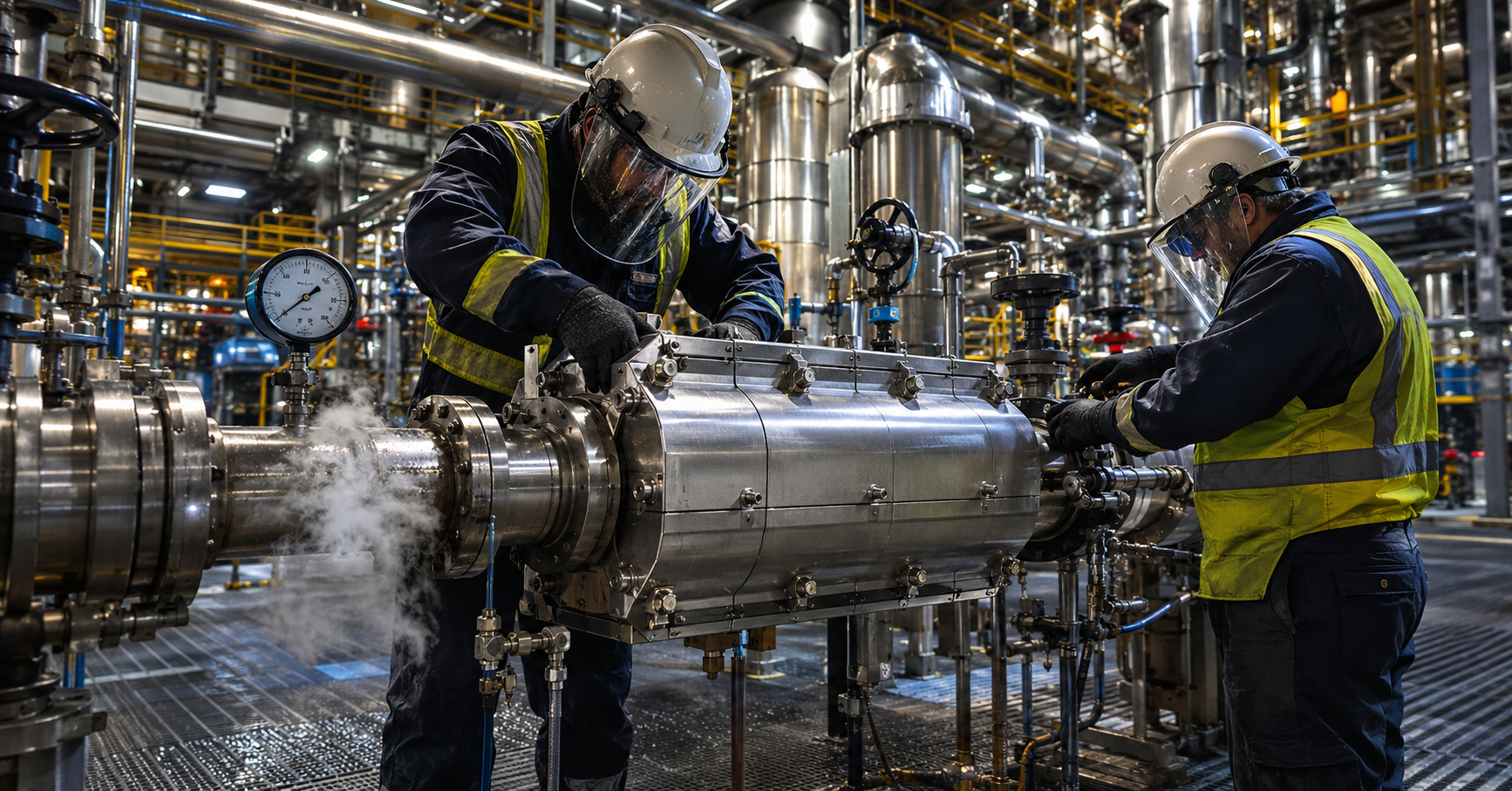
Every year, industrial facilities lose millions—sometimes billions across the industry—because of one preventable problem: unplanned shutdowns. Even a small leak in a high-pressure pipeline can bring production to a complete stop, leading to significant financial losses.
Industry estimates show that an unexpected shutdown can cost a manufacturing facility up to $300,000 per hour, considering lost production, energy waste, emergency maintenance, and delayed deliveries.
The good news? A pipeline leak doesn’t always mean you have to shut down your plant.
Modern live leak sealing technology allows certified technicians to repair leaking pipelines while the system remains fully operational. Using Engineered Pressure Enclosures (EPEs), industries can eliminate leaks safely without interrupting production.
In this guide, you’ll learn:
- Why unplanned downtime is so expensive
- How online leak sealing works
- Why Engineered Pressure Enclosures (EPEs) are considered the safest solution
- Industries that benefit from live leak repairs
- The long-term return on investment (ROI)
TL;DR – Key Takeaways
- Unscheduled downtime causes major financial losses due to production interruptions and emergency repairs.
- Live leak sealing repairs pipeline leaks without shutting down operations.
- Engineered Pressure Enclosures (EPEs) provide a custom-engineered mechanical seal for damaged components.
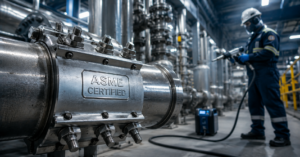
- Repairs are designed according to recognized engineering standards such as ASME and API.
- Compared to the cost of plant shutdowns, live leak sealing offers an excellent return on investment.
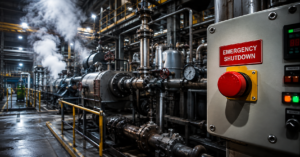
Why Unscheduled Plant Shutdowns Are So Expensive
For plant managers, maintenance engineers, and operations directors, continuous production is essential for profitability. Unfortunately, a leaking pipe often creates a chain reaction of costly problems.
The obvious expense is production loss, but the real impact extends much further.
A sudden shutdown means:
- Lost production and revenue
- Increased energy consumption during restart
- Emergency maintenance costs
- Overtime labor expenses
- Delayed customer deliveries
- Supply chain disruptions
- Equipment stress caused by thermal cycling
Large industrial systems aren’t designed to stop and restart frequently. Every shutdown exposes equipment to rapid temperature changes, placing additional stress on pipelines, valves, flanges, and pressure vessels. In many cases, one shutdown can even trigger additional failures elsewhere in the system.
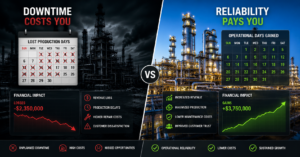
What Is Live Industrial Leak Sealing?
Live leak sealing, also called online leak sealing, is the process of repairing an active pipeline leak without depressurizing or shutting down the system.
Instead of stopping production, trained specialists install custom-engineered equipment around the leak while the pipeline remains under operating pressure and temperature.
Using specially formulated sealing compounds and engineered mechanical enclosures, technicians safely contain the leaking fluid until the repair becomes fully effective.
Live leak sealing is commonly used on:
- High-pressure steam systems
- Chemical processing plants
- Refineries
- Oil & gas facilities
- Power generation plants
- Water treatment systems
This approach allows plants to continue operating while maintaining safety and production efficiency.
Is Live Leak Sealing Just a Temporary Fix?
This is one of the biggest misconceptions in industrial maintenance.
Many people assume live leak sealing is only a temporary patch. In reality, professionally engineered leak sealing solutions are carefully designed using engineering calculations and industry standards.
When installed by qualified specialists, these repairs often remain in service safely until the next scheduled turnaround or maintenance outage.
Rather than being an emergency shortcut, live leak sealing is a proven engineering solution used throughout the world’s largest industrial facilities.
What Is an Engineered Pressure Enclosure (EPE)?
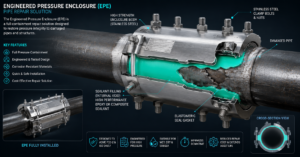
An Engineered Pressure Enclosure (EPE) is the industry’s preferred solution for repairing pressurized pipeline leaks.
Think of it as a custom-built steel enclosure designed specifically for the leaking component.
Whether the leak occurs on:
- A flange
- Valve
- Pipe section
- Elbow
- Tee connection
- Weld joint
an EPE is engineered to match the exact dimensions of the damaged area.
After installation, a specially formulated sealing compound is injected into the enclosure. The compound fills all internal voids and cures under operating conditions, creating a reliable pressure-tight seal.
How Engineered Pressure Enclosures Work
Although the repair appears straightforward, every EPE installation follows a detailed engineering process.
1. Site Inspection
Technicians inspect the leak and collect critical operating information, including:
- Pipe dimensions
- Operating pressure
- Temperature
- Pipe material
- Type of leaking medium
2. Engineering Design
Using CAD software and Finite Element Analysis (FEA), engineers design a custom enclosure that accounts for:
- Internal pressure
- Structural loading
- Thermal expansion
- Bolt loading
- Sealant injection paths
The design is developed in accordance with applicable engineering standards.
3. Precision Manufacturing
The enclosure is fabricated from materials compatible with the existing piping system, including:
- Carbon steel
- Stainless steel
- Duplex alloys
- Other specialty materials
4. Installation
Technicians assemble the enclosure around the leaking component and tighten all fasteners to specified torque values.
5. Sealant Injection
Using hydraulic injection equipment, sealant is introduced into the enclosure under controlled pressure.
The sealant fills every gap, cures, and permanently isolates the leak.
Plant Shutdown vs. Live Leak Sealing
When evaluating maintenance options, comparing both approaches highlights why many facilities choose live leak sealing whenever appropriate.
| Maintenance Factor | Full Plant Shutdown | Live Leak Sealing (EPE) |
|---|---|---|
| Production Loss | Very High | None |
| Downtime | Days or Weeks | No Shutdown Required |
| Maintenance Cost | Extremely High | Significantly Lower |
| Equipment Stress | High | Minimal |
| Repair Speed | Slow | Rapid |
| Operational Disruption | Major | Minimal |
For facilities operating around the clock, avoiding even a few hours of downtime can result in substantial cost savings.
Is Live Leak Sealing Safe?
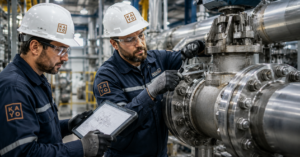
Safety is always the first priority during any pressurized repair.
Because technicians work around high-pressure systems, every repair follows strict engineering procedures and recognized industry standards.
Safety measures typically include:
- Detailed engineering calculations
- Pressure analysis
- Certified installation procedures
- Specialized Personal Protective Equipment (PPE)
- Remote hydraulic sealant injection equipment
- Continuous monitoring throughout the repair
By combining engineered enclosures with proven installation methods, risks are minimized while maintaining safe plant operations.
Common Applications for Live Leak Sealing
Engineered Pressure Enclosures can be customized for a wide range of industrial equipment, including:
Flange Leaks
Custom flange enclosures isolate gasket failures without dismantling the joint.
Valve Gland Leaks
Specialized sealing techniques restore valve sealing while equipment remains in service.
Pipe Elbows and Tees
Areas exposed to erosion or corrosion can be safely enclosed using specially manufactured EPEs.
Straight Pipe Leaks
Structural clamps and pressure enclosures effectively seal pinholes, cracks, and localized corrosion.
Because every enclosure is custom designed, EPE technology adapts to nearly every piping configuration.
Long-Term Benefits of Live Leak Sealing
Facilities that adopt proactive live leak sealing strategies gain several long-term advantages:
- Reduced production interruptions
- Lower maintenance costs
- Improved equipment reliability
- Better production scheduling
- Enhanced operational efficiency
- Reduced emergency shutdowns
- Higher return on maintenance investment
Instead of treating every pipeline leak as a crisis, plant managers can address many issues while operations continue safely.
Over time, this approach helps improve asset reliability and protects overall plant profitability.
Conclusion
Unexpected pipeline leaks don’t have to result in costly production shutdowns.
With modern live leak sealing techniques and Engineered Pressure Enclosures (EPEs), industrial facilities can safely repair pressurized leaks while keeping operations running.
By reducing downtime, minimizing maintenance costs, and protecting valuable production time, EPE technology has become an essential solution for industries that depend on continuous operation.
If your facility experiences high-pressure pipeline leaks, investing in engineered online leak sealing can help safeguard productivity, improve operational reliability, and significantly reduce the financial impact of unplanned shutdowns.
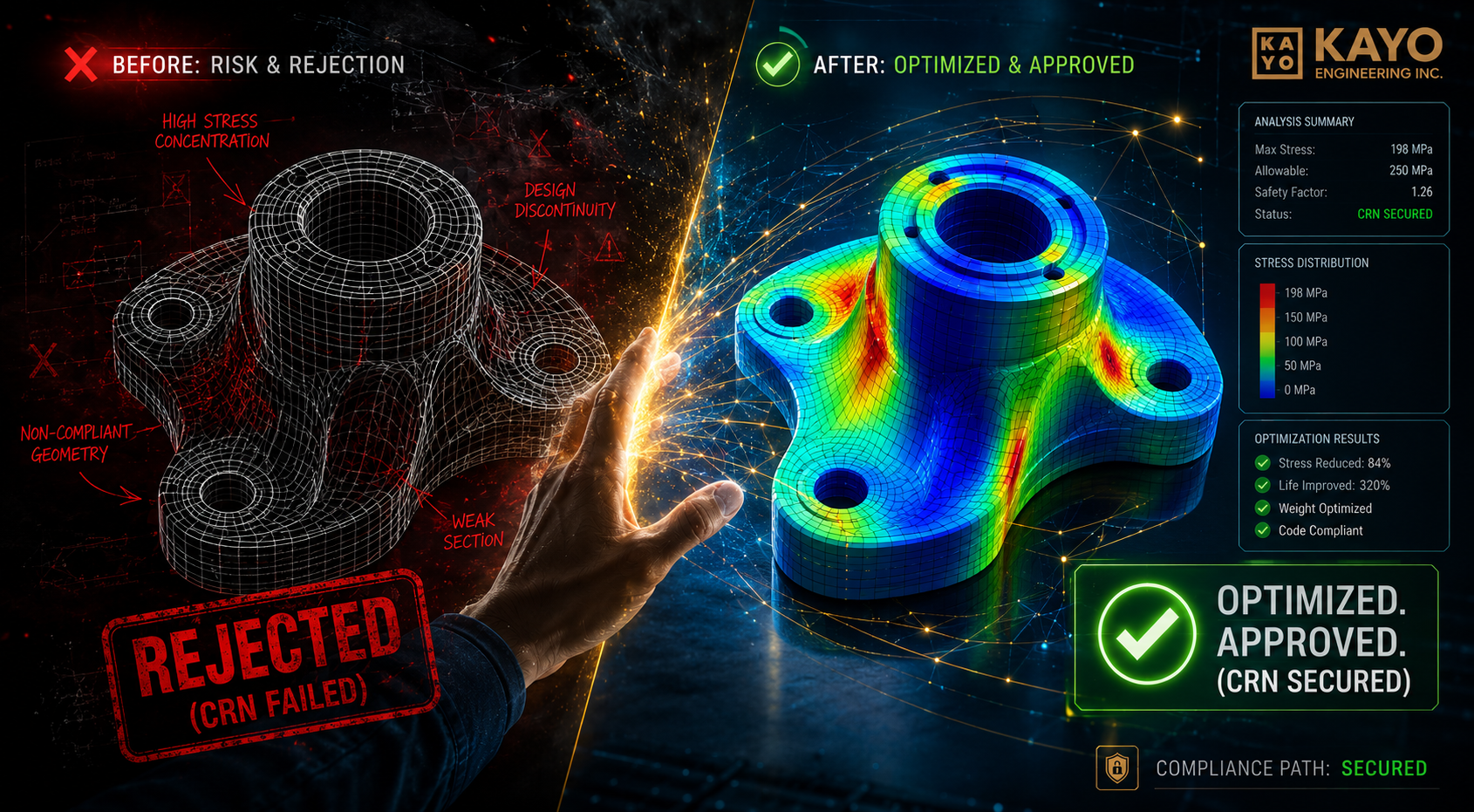
Finite Element Analysis for Complex Geometries: The Ultimate Guide
Standard code calculations form the absolute foundation of mechanical engineering. Governing bodies, such as ASME and CSA, provide highly reliable
The Ultimate Guide to Securing a Canadian Registration Number (CRN) Without the Headaches
Introduction: Why CRN Approval Matters For OEMs, EPC contractors, manufacturers, and industrial facility owners, getting pressure equipment into service in
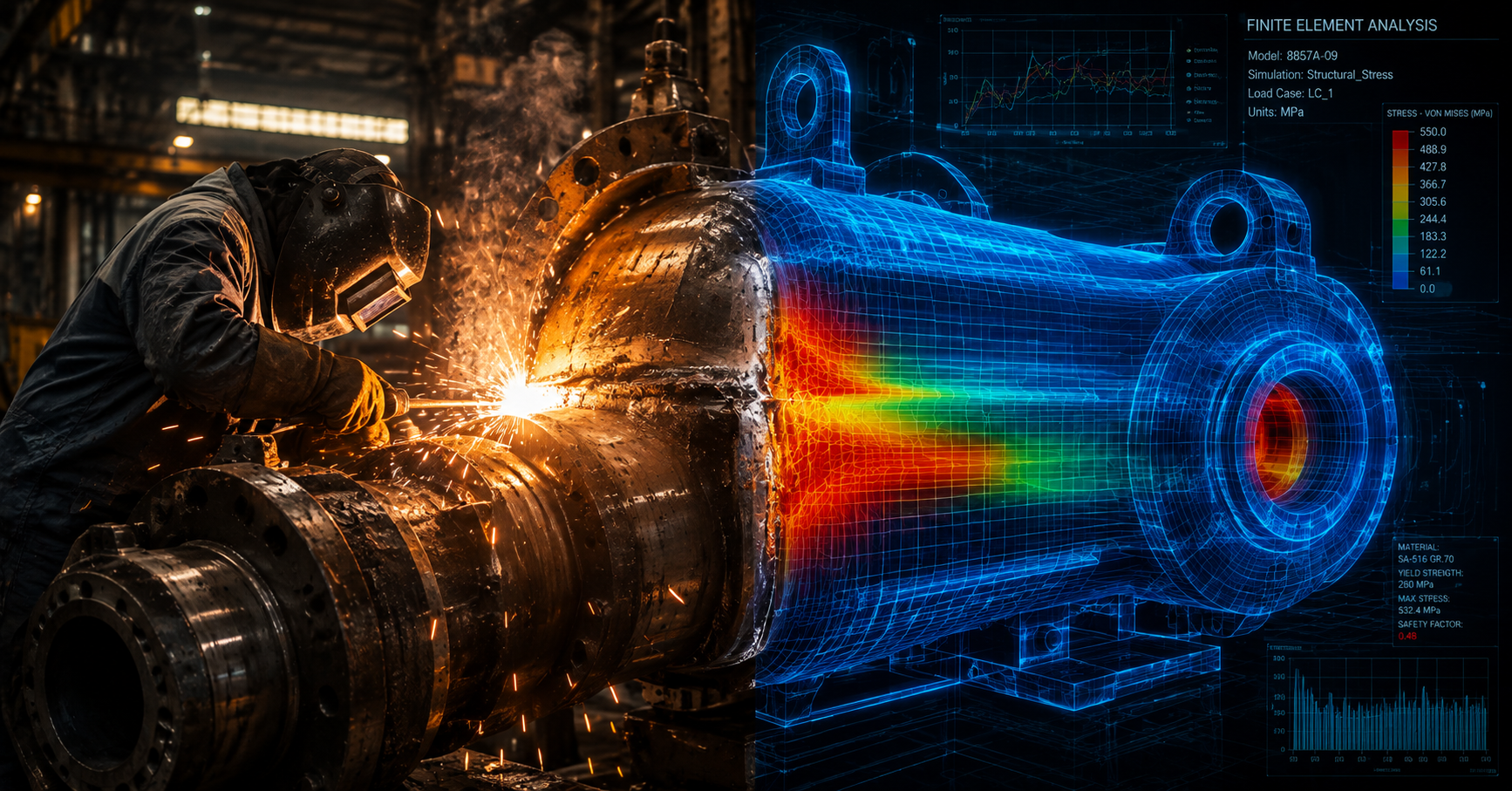
Industrial Equipment Modification: The Hidden Risks & Solutions
Upgrading your existing machinery seems like the ultimate cost-saving hack. But making structural changes without rigorous engineering validation? That transforms